Mold Remediation Frederick
Mold Inspection & Testing in Frederick, MD
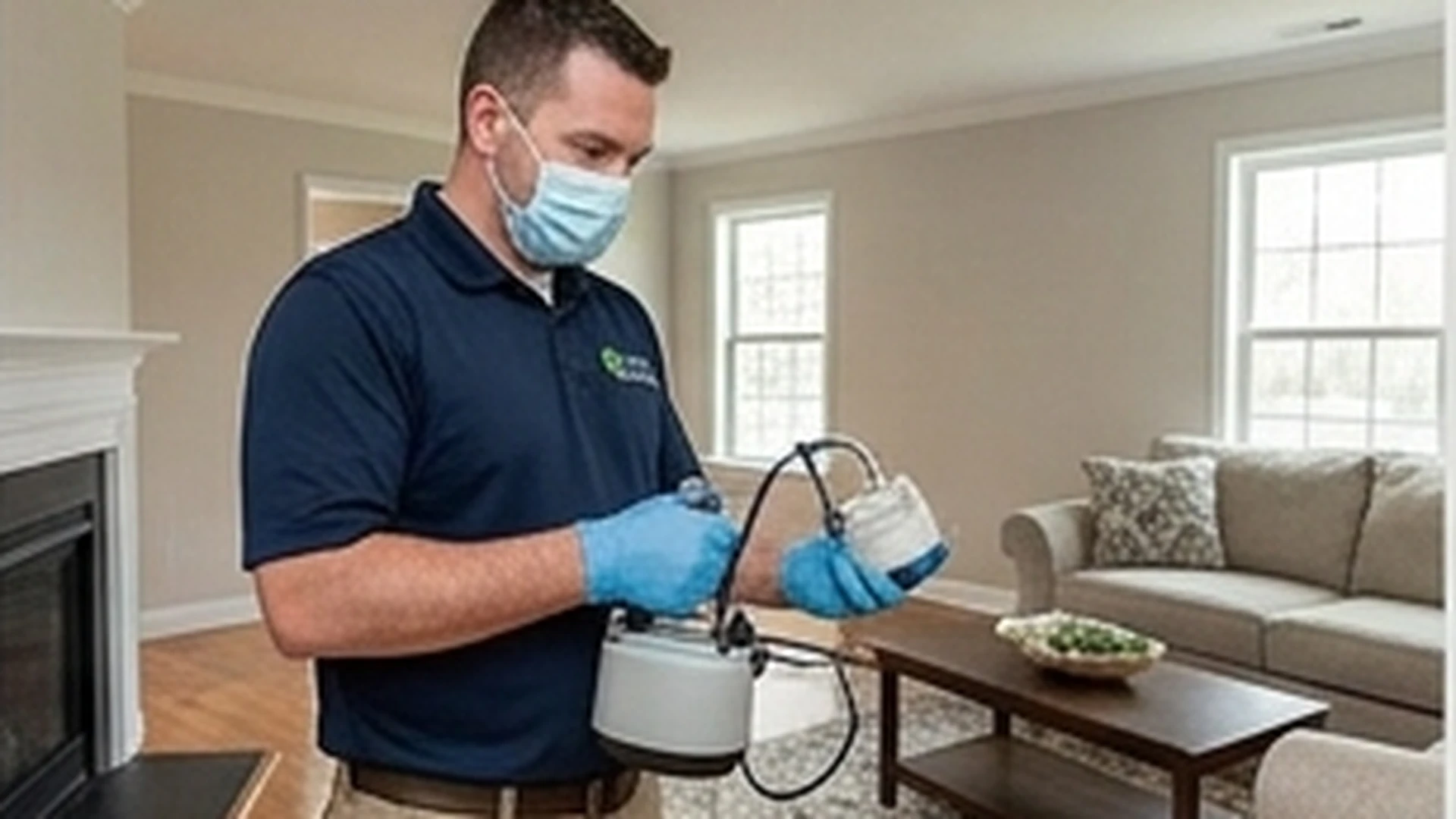
Frederick's climate — summers averaging 60–70% relative humidity — creates persistent mold pressure in basements, attics, and crawl spaces. Our inspections combine moisture meters, thermal imaging, and laboratory air sampling to find mold before it spreads and confirm its genus when health decisions depend on it.
Why a Proper Inspection Comes Before Any Remediation
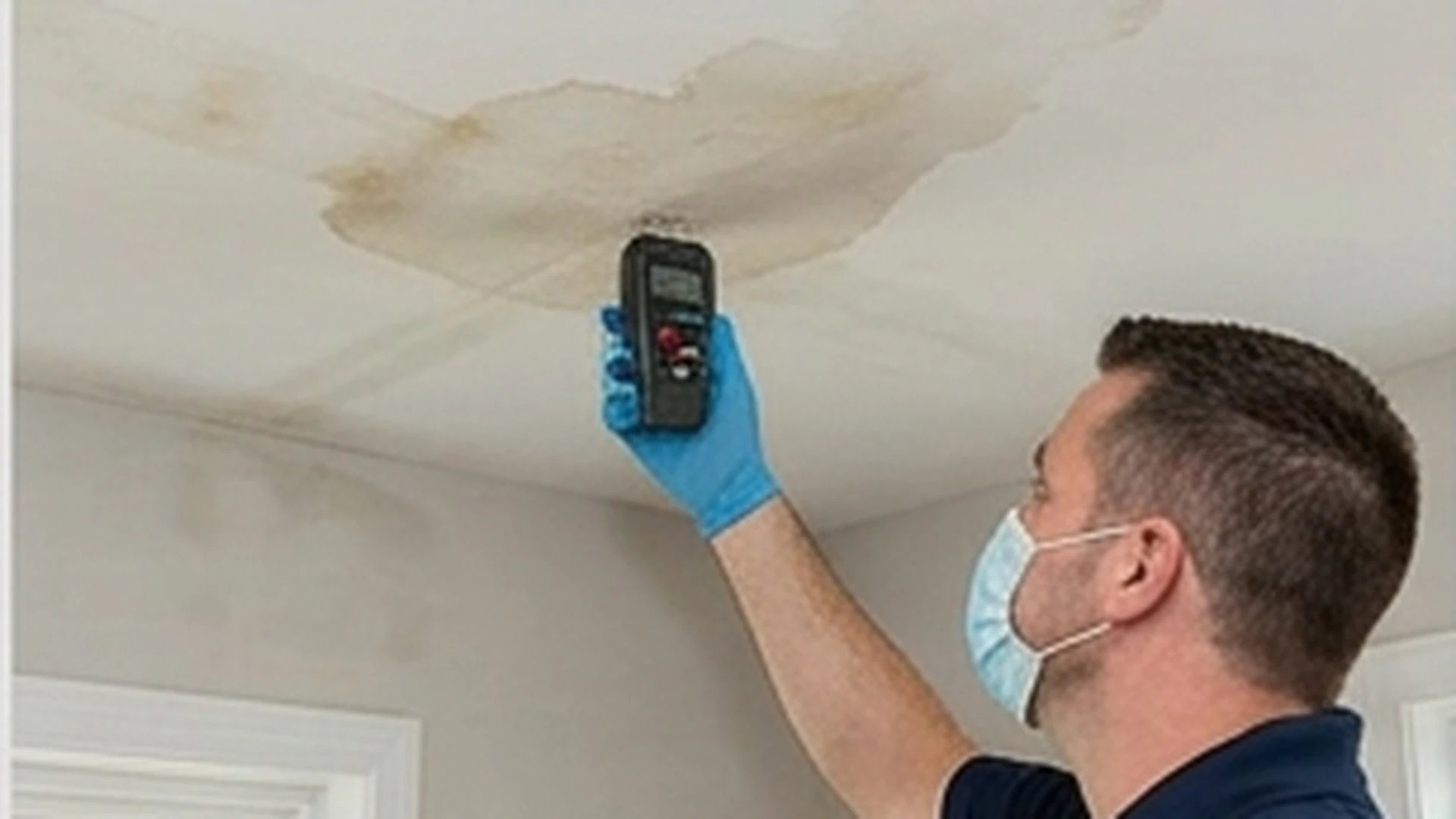
Mold remediation scoped without an inspection often misses contamination behind walls, inside HVAC ducts, or under subfloor materials. We use calibrated moisture meters to establish dry standards — wood below 16% moisture content, drywall at less than 1% EMC — and flag any reading above those thresholds as an active or latent mold risk. Readings alone don't identify mold genus; air sampling and surface tape lifts analyzed by an accredited lab tell us whether we're dealing with common Cladosporium, Aspergillus/Penicillium, or the cellulose-feeding Stachybotrys that only colonizes material saturated for more than 72 hours.
That distinction changes the remediation plan. Stachybotrys requires full containment with negative air, PPE at a higher protection level, and triggered drywall removal. Knowing that before work begins prevents mid-project scope surprises and gives you defensible documentation for insurance claims or real-estate disclosures.
What Our Inspections Cover
Every inspection follows a structured protocol aligned with IICRC S520 guidelines. We assess the building envelope, plumbing penetrations, HVAC condensate systems, attic ventilation, and below-grade areas where hydrostatic pressure drives moisture intrusion. We also distinguish efflorescence — the white mineral deposits common on Frederick basement walls — from active mold growth, which matters because misidentification leads to unnecessary remediation or, worse, a missed real problem.
- Visual inspection of all accessible surfaces and cavities
- Moisture meter readings at 10–15 representative points per room
- Thermal imaging to detect temperature differentials indicating hidden moisture
- Air sampling with spore trap cassettes sent to accredited laboratory
- Surface sampling (tape lift or bulk) at visible growth areas
- Written report with moisture map, photo documentation, and lab results
Mold Inspection & Testing Services
Mold Inspection
Full-property visual and instrument-based inspection to locate active and hidden mold growth.
Basement Mold Inspection
Below-grade assessment covering hydrostatic pressure, efflorescence, rim joists, and sump areas.
Attic Mold Inspection
Condensation-focused attic inspection — ventilation audit, sheathing moisture readings, and rafter sampling.
Air Quality Testing
Spore trap air sampling with lab analysis to quantify airborne mold load and identify genera.
Moisture Mapping
Systematic grid-based moisture readings to document wet zones and track drying progress over time.
See something suspicious? Don't wait.
Early inspection keeps small mold problems from becoming structural remediation projects. Call us today.