Prevention & Restoration
Mold Prevention Plans in Frederick, MD
A mold prevention plan is a property-specific assessment of the conditions that make a particular Frederick home vulnerable to mold growth — below-grade moisture pathways, HVAC system deficiencies, inadequate ventilation zones, and building envelope conditions — combined with prioritized recommendations and a maintenance schedule for keeping those conditions in check through Frederick's humid season.
Frederick's Humidity Calendar — The Risk Window
Frederick's relative humidity exceeds 60% — the mold growth threshold — consistently from approximately mid-May through mid-September. That's four months of elevated mold pressure in every poorly managed space in the building. A prevention plan identifies which spaces in your specific home are most likely to cross the critical RH threshold during that window and what mechanical or structural changes reduce that probability.
Prioritizing by Return on Investment
Prevention plans include recommendations at different cost and effort levels. We prioritize by risk-reduction value: a $200 dehumidifier set-point adjustment that prevents a recurring basement mold event has a higher return than a $5,000 drainage installation that addresses a minor cosmetic seepage issue. Recommendations are organized by priority so you can implement highest-value items first.
Maintenance Schedule — What to Do and When
Annual and seasonal maintenance tasks that reduce mold risk in Frederick homes include: HVAC filter and coil maintenance in April before cooling season; condensate drain line flush at cooling season start; gutter cleaning before spring rain season; crawl space inspection after winter; dehumidifier service before summer. We provide a property-specific maintenance calendar as part of every prevention plan.
What a Mold Prevention Plan Assessment Covers
A prevention plan assessment is a thorough property walk-through focused specifically on moisture risk conditions. It covers: the building envelope (gutters, downspouts, window and door seals, foundation grading); below-grade spaces (crawl space vapor barrier, sump pump operation, basement wall and floor moisture); mechanical systems (HVAC coil and drain pan, condensate line, bath fan operation and exhaust routing); and attic and roof (ventilation adequacy, soffit baffle presence, bath and dryer fan termination).
The result is a written assessment with a property-specific risk map, a prioritized recommendation list organized by risk level and cost, and a seasonal maintenance schedule. The plan is designed to be actionable — specific enough that you can hand the capital improvement items to contractors and implement the maintenance items yourself with the calendar provided.
Post-Remediation Prevention Plans
The most valuable time to implement a prevention plan is immediately after a mold remediation event — when the cause is freshly documented, the affected space is open for inspection, and the motivation to prevent recurrence is highest. We include prevention plan recommendations in every remediation project, and provide a more detailed prevention plan as an optional follow-up service for homeowners who want a comprehensive property assessment after remediation.
New Construction and Renovation Prevention
Mold prevention in new construction starts with the right material specifications: cement board in wet areas, sealed crawl space design, appropriate HVAC sizing for latent load, and mechanical ventilation with humidity control. We consult with homeowners and contractors on prevention specifications during renovation or new construction projects to prevent mold conditions from being built into the structure.
Seasonal Pre-Summer Inspection
A focused pre-summer inspection in April or early May — checking dehumidifier operation, HVAC coil condition, crawl space vapor barrier integrity, and sump pump operation before Frederick's humidity season begins — is a cost-effective annual service for homeowners with chronic humidity management challenges. We offer this as an annual prevention service for homes we've previously remediated or assessed.
Monitoring Recommendations
We recommend specific humidity monitoring approaches as part of every prevention plan: a Wi-Fi enabled humidity sensor in the basement and crawl space that alerts when RH exceeds 60%, a dehumidifier with an automatic set-point that maintains below 55% RH in below-grade spaces, and a quarterly visual inspection checklist for homeowners to check their highest-risk areas between professional visits.
Prevention Plan Process
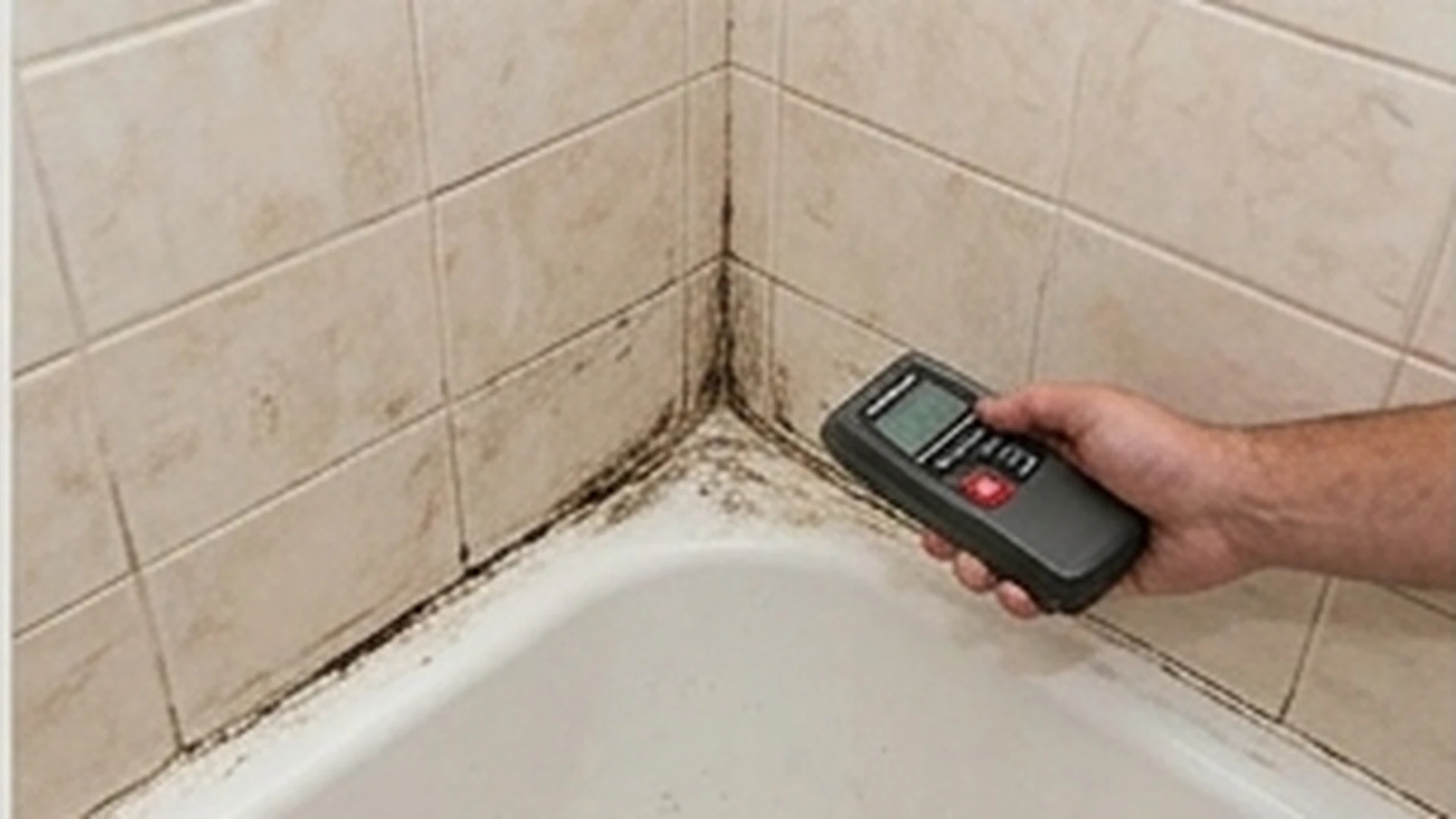
- Property Walk-Through — Systematic assessment of all moisture risk zones with moisture meter readings, visual documentation, and mechanical system review.
- Risk Prioritization — Findings organized by risk level and estimated cost of correction; highest-priority items identified for immediate attention before humidity season.
- Written Prevention Plan — Delivered within 48 hours of assessment: risk map, prioritized recommendations, contractor scope items, and seasonal maintenance calendar.
- Follow-Up Availability — Available for follow-up questions, contractor recommendation, or a re-inspection after capital improvement items are completed.
The best mold remediation is the one you never need. Prevention planning starts here.
How is a prevention plan different from a mold inspection?
A mold inspection answers the question "is there mold and where is it?" A prevention plan answers "what conditions make this property vulnerable to mold and what changes reduce that vulnerability?" The two often go together — an inspection that finds minor conditions not yet requiring remediation is a natural lead-in to a prevention plan — but they address different questions. A prevention plan is appropriate when there's no active mold problem but you want to reduce the risk of one developing.
How much does a mold prevention plan cost?
The assessment and written plan is a fixed-fee service scoped to the property size and complexity — typically $300–$500 for a single-family home in Frederick. The capital improvements recommended in the plan are separate costs estimated in the plan document itself. Many prevention plan clients have already spent far more than the plan cost on a single mold remediation event; the plan is a fraction of that cost applied to preventing the next one.
Can a prevention plan help me qualify for lower homeowner's insurance premiums?
Some insurers offer credits or endorsements for documented property maintenance programs or moisture control systems. A prevention plan with documented implementation of recommendations — installed dehumidifier, sealed crawl space, functioning sump pump — provides the evidence that some carriers request. We recommend checking with your insurer about specific requirements, but the plan documentation is a useful starting point for that conversation.
Humidity & Condensation Correction
Mechanical implementation of the humidity management items in your prevention plan.
Crawl Space Moisture Control
Vapor barrier and dehumidification installation for below-grade prevention.
Mold Inspection
Full inspection when current mold conditions need to be assessed alongside prevention planning.