Property-Specific Remediation
Residential Mold Remediation in Frederick, MD
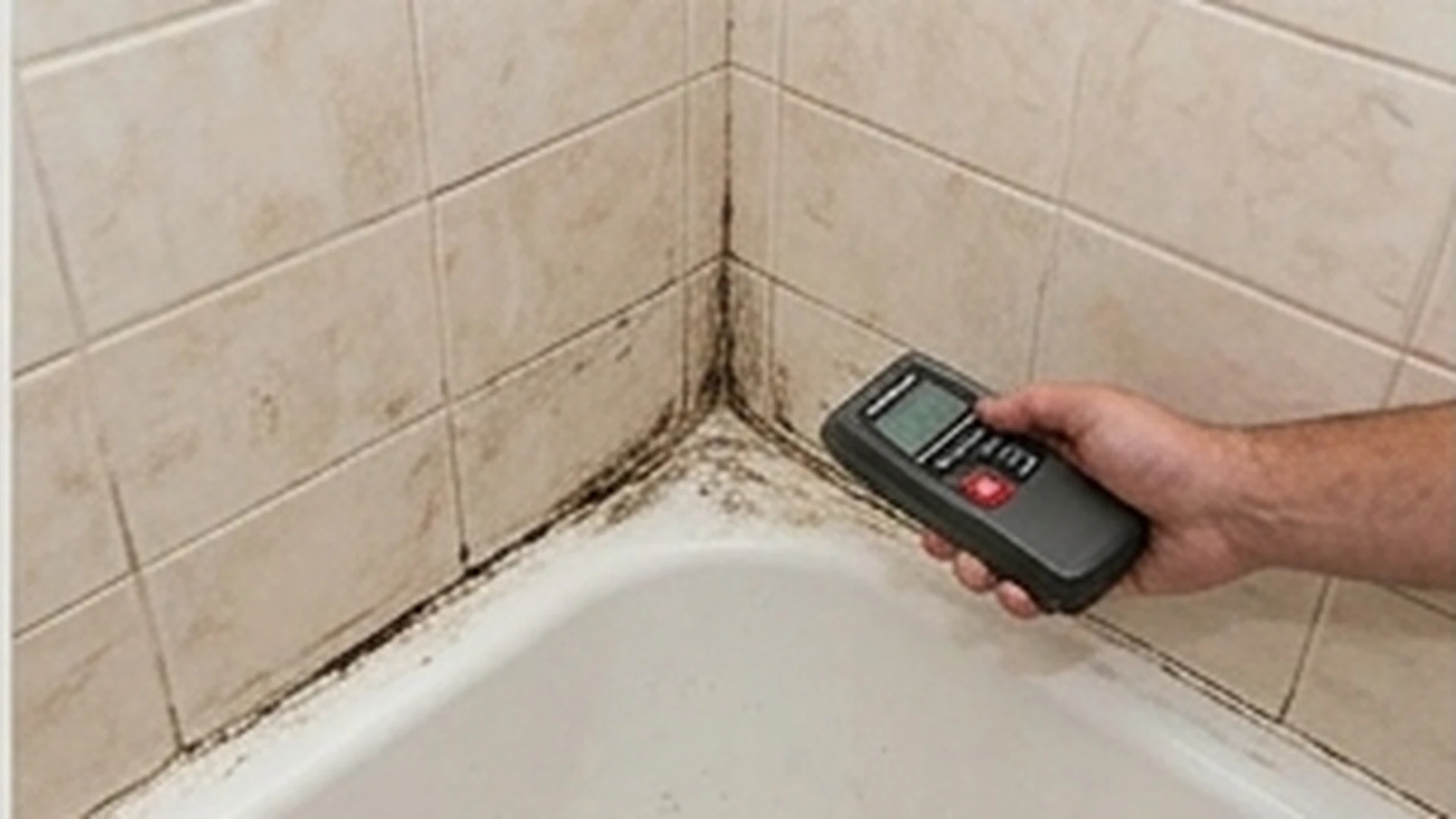
Residential mold remediation in an occupied Frederick home requires more than technical competence — it requires managing the project around the family living there, communicating clearly about what's being done and why, and ensuring that the remediation process itself doesn't create secondary exposure for occupants. We deliver both the technical standard and the project management that occupied-home remediation demands.
Occupant Safety During Remediation
Poly containment barriers and negative air pressure protect the unaffected portions of the home from spore migration during remediation. For projects involving Stachybotrys or large-scale demolition, we advise occupants — particularly those with respiratory conditions, children, or immunocompromised family members — to vacate the affected floor or the property during the days of active demolition work.
HVAC System Management During Remediation
The HVAC system is shut off or the return air to the affected zone is sealed during remediation to prevent spore distribution through the duct system. We coordinate with occupants on temperature management during remediation days, and in summer we provide a plan for maintaining acceptable indoor temperatures without using the central HVAC in the affected zone.
Clearance Documentation for the Homeowner's Record
Every residential remediation project receives a complete documentation package: written scope, project log, moisture readings, and independent clearance sampling results. This documentation belongs in the homeowner's property record and is particularly valuable for future real-estate transactions, insurance renewals, and refinancing appraisals that may ask about prior mold events.
What Residential Remediation Looks Like in a Frederick Home
A residential remediation project in Frederick typically begins with an inspection that defines the scope, followed within 48 hours by containment setup and the beginning of demolition work. Most projects — a single room, a basement zone, or an attic — are completed in 1–3 days of active remediation work plus a 3–5 day waiting period for clearance sampling results to return from the lab. We communicate the timeline clearly at the estimate stage so you can plan the household disruption window.
During the project, the affected area is inaccessible to household members. We work with occupants to move critical items out of the work zone before containment is established and back in after clearance. For basement and attic projects that don't affect main living areas, most families continue normal routines with minimal disruption throughout the project.
Townhouse and Row Home Considerations
Townhouses in Frederick's newer developments share walls with neighbors. We ensure that containment on shared-wall projects is sealed to prevent spore migration through any shared wall penetrations, and we communicate with adjacent property owners when the project is adjacent to a shared wall — a professional courtesy that matters when the shared wall connects two separately owned units.
Children and Pets During Remediation
Children and pets should be kept out of the remediation zone and, for larger projects with significant disturbance, away from the access routes used during demo debris removal. We stage work to minimize the time that remediation debris is being carried through shared household spaces, and we clean the route used for debris transport as part of daily project cleanup.
Working With Your Insurance Carrier
Many residential mold events have an associated insurance claim. We provide documentation in a format that supports the claim: scope of work, photographs with date stamps, moisture readings pre- and post-remediation, and clearance results. If your carrier has assigned an adjuster, we communicate directly with them to prevent scope disputes that delay the project.
Post-Remediation Recommendations for Recurrence Prevention
Every residential project closes with a written recommendation for the moisture condition that caused the mold event — specific, actionable, and scoped to your house. Whether that's a dehumidifier specification, a crawl space vapor barrier recommendation, a soffit vent addition, or an HVAC drain pan cleaning interval, we give you the information to prevent the next event.
Residential Remediation Process
- Inspection and Written Estimate — Comprehensive inspection with moisture mapping; written scope and estimate delivered within 24 hours.
- Pre-Remediation Preparation — Occupant briefing, item removal from work zone, HVAC shutdown or sealing, containment establishment.
- Remediation and Daily Cleanup — Work conducted per written scope; daily cleanup of work routes and common areas; occupants updated on progress.
- Clearance and Handoff — Clearance sampling, lab results, and complete project documentation delivered; reconstruction authorized and recommendations provided.
Mold in your Frederick home? We handle it from inspection through clearance.
Do we need to leave our home during mold remediation?
For most projects confined to a basement or attic — where containment isolates the work area from the main living floors — occupants can remain in the home during remediation. For projects in the main living area involving significant demolition, for projects where Stachybotrys is confirmed, or for households with immunocompromised members or young infants, temporary relocation during active demolition days is the prudent recommendation. We assess your specific project and household and give you a direct answer, not a blanket policy.
How long will my home smell during remediation?
Active mold has a musty MVOC odor that intensifies briefly when disturbed during demolition. Within the contained work area, this odor is strongest during demo and dissipates as surfaces are cleaned and the space is aired out. In the unaffected portions of the home, the containment barrier and negative air should prevent significant odor breakthrough if the containment is properly sealed. Persistent post-remediation odor in living areas indicates either a containment breach or an additional mold source outside the remediated zone.
Can you work around my schedule?
Within reason, yes. We schedule project start times and work windows to minimize disruption to household routines. We typically work standard business hours, and most projects don't require weekend or evening work. For households with specific schedule constraints — young children, work-from-home requirements, medical considerations — we discuss scheduling during the estimate stage and document any schedule requirements in the work authorization.