Water & Moisture Solutions
Water Damage Mold Cleanup in Frederick, MD
Mold begins growing on wet cellulose materials within 24–48 hours under Frederick's summer humidity conditions. Water damage that isn't fully dried and documented within that window is a mold event, not just a drying project. We provide integrated water damage and mold cleanup that addresses both the moisture and the mold that developed during the wet period.
Water Category Determines Material Salvageability
Category 1 water — clean supply line — allows aggressive drying of drywall and framing if the response is fast enough (typically under 48 hours for drywall to remain salvageable). Category 2 gray water and Category 3 black water/groundwater contaminate porous materials on contact. Drywall, insulation, and carpet exposed to Category 2 or 3 water must be removed regardless of moisture meter readings, because contamination is biological, not just physical wetness.
The 72-Hour Threshold for Stachybotrys Risk
Stachybotrys — the toxigenic black mold — requires cellulose material wetted continuously for more than 72 hours to colonize. Water damage events that were discovered and responded to quickly typically don't produce Stachybotrys. Events where water sat undetected for days — a slow leak in a wall, a vacation home flooding event — fall into the Stachybotrys risk window and warrant surface sampling before finalizing the remediation scope.
Moisture Mapping Before Any Demo or Drying
The visible wet area is always smaller than the actual wet area after a water damage event. Water follows gravity and wicks through assemblies. Moisture mapping before demolition scope is finalized prevents incomplete remediation — removing the visibly wet drywall while leaving wet framing behind it to grow mold after reconstruction.
When Water Damage Becomes a Mold Project
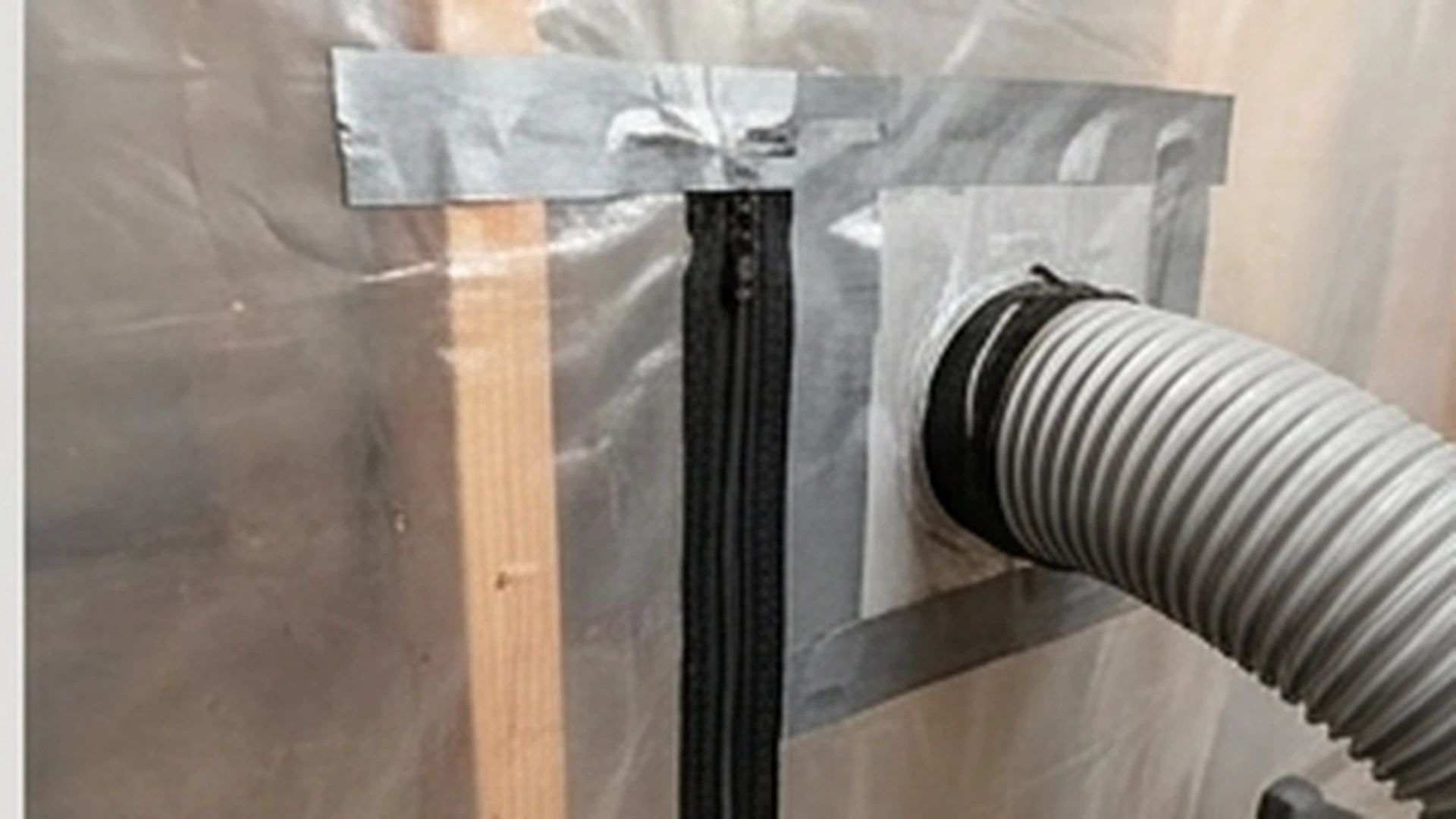
The line between water damage restoration and mold remediation is crossed when materials wet for long enough have developed active mold growth — typically at any point past 48–72 hours depending on the material and ambient conditions. When that threshold is crossed, the project requires mold remediation protocols in addition to (or instead of) straight drying: containment, negative air, HEPA vacuuming, and post-remediation clearance sampling before reconstruction.
Many water damage projects that arrive at our door were initially handled by a restoration contractor focused on drying. If the drying was incomplete, or if materials that should have been removed were dried in place, we pick up where the drying project ended and scope the mold that developed during the drying period. We see this pattern frequently after water damage events in Frederick homes — aggressive drying of materials that should have been removed, followed by mold discovery when the finished surfaces are opened later.
Pipe Burst Events
Burst supply lines deliver Category 1 water in high volume quickly. If the event is discovered the same day, aggressive drying with appropriate equipment can often salvage drywall in low-humidity conditions. If discovered after 48–72 hours in summer humidity, mold is typically already developing and removal is the appropriate call.
Appliance Failures
Washing machine supply line failures, dishwasher leaks, and refrigerator water line events are Category 1 water events that frequently go undetected for extended periods. By the time the wet subfloor or cabinet base is noticed, the material has been wet long enough to require mold scope rather than just drying.
Storm Water Intrusion
Storm water entering through window wells, foundation cracks, or overwhelmed sump systems is Category 3 water — groundwater classification. Materials it contacts are presumptively contaminated. Frederick's episodic heavy rainfall events, particularly in spring and late summer, create significant storm intrusion water damage calls. All Category 3 intrusion events are treated as mold-probable after 24 hours.
Documentation for Insurance Claims
Water damage and mold remediation are frequently insurance claims. We document the event, scope, and remediation with photographs, moisture readings, lab results, and a written narrative that supports the claim. We work with adjusters and can provide direct billing to carriers where authorized.
Water Damage Mold Cleanup Process
- Rapid Assessment — Water category classification, moisture mapping of the full affected zone, and mold presence assessment within 24 hours of contact.
- Containment and Material Removal — Containment established; Category 2/3-exposed or saturation-threshold-exceeded materials removed and disposed of as contaminated.
- Structural Remediation and Drying — Exposed structural surfaces HEPA vacuumed and antimicrobial treated; drying equipment deployed where remaining materials are salvageable; daily moisture monitoring to dry standard.
- Clearance and Handoff for Reconstruction — Air sampling confirms acceptable spore levels; moisture readings confirm dry standard; written clearance authorizes reconstruction.
Recent water event? The sooner we assess, the more we can save.
My pipe burst two days ago and I've been running fans — is mold already there?
Possibly, depending on the material type and ambient humidity. Household fans accelerate drying but don't create the controlled airflow and dehumidification that IICRC drying standards require. In Frederick's summer humidity, a water-damaged room with household fans running may still have elevated ambient humidity that slows drying significantly. We can assess current moisture levels and determine whether the drying has been adequate or whether mold is developing.
How do I know if the water damage restoration company dried everything correctly?
Moisture meter readings at the time of equipment removal should show all structural materials at or below dry standard — wood below 16% MC, drywall below 1% EMC. If you weren't shown final readings, we can take current readings to assess the current state of the affected areas. Residual moisture above dry standard at this point indicates incomplete drying and potential mold development.
Does water damage mold affect my insurance premiums?
Filing a water damage claim may affect your premiums depending on your carrier and claim history — that's between you and your insurer. The mold component of a water damage claim is typically covered under the same event claim. If you choose not to file a claim, we can provide a private-pay estimate. We don't report claims to insurers; that's your decision to make.