Water & Moisture Solutions
Flood Mold Remediation in Frederick, MD
Flood events in Frederick — whether from Monocacy River flooding, storm sewer backup, or sump pump failure during heavy rain events — deliver Category 3 water into basement and below-grade spaces. Category 3 water is presumptively contaminated. Every porous material it contacts requires removal, not drying. We scope and execute flood mold remediation to the IICRC S520 and S500 standards applicable to Category 3 events.
Category 3 Water — Why All Porous Materials Come Out
Category 3 water — groundwater, floodwater, and sewage-contaminated water — is biologically contaminated with bacteria, pathogens, and in flood events, a full spectrum of environmental contaminants. Drywall, insulation, carpet, and pad exposed to Category 3 water cannot be dried to a safe condition; biological contamination persists in the material after moisture is removed. The IICRC standard is clear: Category 3-exposed porous materials are removed, not dried in place, regardless of current moisture readings.
The 24-Hour Mold Colonization Window After Flooding
Mold germination can begin within 24 hours on wet cellulose materials at typical Frederick summer temperatures and humidity. A flooded basement that sits for 3–5 days before remediation begins will have active mold colonization on framing, subfloor, and any residual cellulose materials. We treat all flood events with delayed response — beyond 48 hours — as confirmed mold events requiring full remediation protocol.
Sewage Backup — Elevated Protocol Requirements
Sewage backup from municipal sewer surcharge or failed septic systems creates a Category 3 event with the highest biological contamination load. IICRC S520 requires the highest PPE level — N100 respirators, disposable suits, eye protection — for sewage-involved remediation. Structural surfaces that contact sewage require antimicrobial treatment appropriate for the contamination level after physical cleaning and before air testing confirms clearance.
Flood Remediation Scope in a Frederick Basement
A typical flooded Frederick basement remediation scope includes: removal of all insulation in contact with floodwater (batt, rigid foam, and any spray foam below the flood line); removal of all drywall to a minimum of 12 inches above the highest waterline; removal of any carpet, pad, and vinyl flooring; removal of any wood paneling or cellulose-backed finishes; HEPA vacuuming of all remaining structural surfaces (concrete block or poured concrete walls, floor slab, floor joists, subfloor framing); antimicrobial treatment of all structural surfaces; and installation of drying equipment to bring remaining structural materials to dry standard.
The scope is not reducible based on cost preference — it's driven by water category classification and the materials' physical properties. We explain the scope and the standard behind it before work begins so there are no scope-change surprises during demolition.
Establishing the Flood Line
The flood line — the highest point water reached in the space — is the primary scope boundary. Materials below the flood line are Category 3-exposed. Materials above that line may be Category 1 or 2-exposed from splashing or wicking, depending on the event. We establish the flood line from staining, debris lines, and moisture meter readings before finalizing the removal scope.
Sump Pump Assessment and Drainage Before Remediation
A flooded basement with standing water requires drainage before remediation work can begin safely. We assess the sump pump and discharge line as part of the initial assessment — a sump pump that failed during the flood event will likely fail again if not addressed before the next rain. We don't begin remediation in a basement where the water source hasn't been controlled or the sump repaired.
Contents Assessment — What's Salvageable
Personal property and stored items in a flooded basement range from obviously non-salvageable (cardboard boxes, upholstered furniture, porous items with mold visible) to potentially cleanable (metal items, glass, solid wood furniture not with paper/MDF components). We assess contents systematically and document what is being retained versus discarded to support insurance claims.
Independent Clearance After Flood Remediation
Flood mold remediation clearance is a mandatory step before reconstruction. Flood events typically produce mixed genera at elevated concentrations, and the post-remediation clearance sampling confirms that the cleaning and antimicrobial treatment have returned the space to ambient spore levels. Insurance carriers increasingly require clearance documentation as a condition of approving reconstruction costs.
Flood Mold Remediation Process
- Emergency Assessment — Water source controlled, flood line established, moisture map completed, Category 3 scope defined — typically within 24 hours of contact.
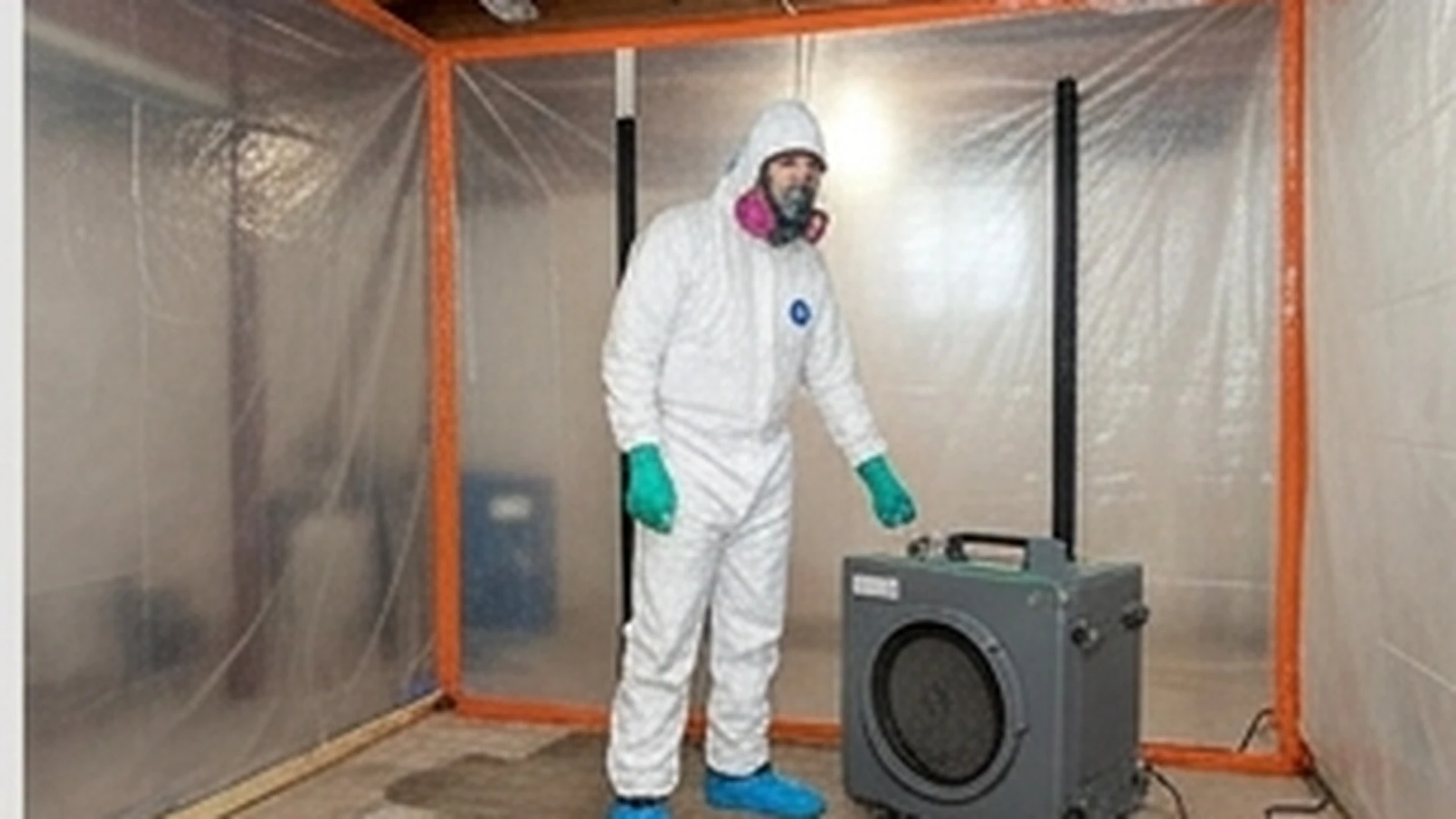
- Containment and Full Category 3 Demo — All porous materials below flood line removed in contained conditions; sewage protocol PPE deployed if applicable.
- Structural Remediation — All remaining surfaces HEPA vacuumed, antimicrobial treated to appropriate Category 3 standard, drying equipment deployed.
- Clearance and Insurance Documentation — Air sampling clearance obtained; complete project documentation package prepared for insurance claim support.
Flooded basement? Category 3 water means full scope remediation — let's do it right the first time.
Can I dry out my flooded basement with fans and dehumidifiers and avoid mold?
No — not if the flooding was from groundwater or storm sewer backup (Category 3). Drying Category 3-exposed porous materials doesn't eliminate the biological contamination that Category 3 classification recognizes. Even if you get the moisture readings down, the bacterial and mold contamination in the material persists. Additionally, household fans and portable dehumidifiers cannot achieve the drying rates needed to prevent mold in most flooded basements within the critical window. Professional drying equipment in combination with the required Category 3 material removal is the correct response.
My neighbor had their basement flooded before me — should I expect mold too?
Probably, if your flooding event was similar in source and duration. Mold development after flooding is highly consistent — most cellulose materials in a flooded basement that goes more than 48 hours without professional response develop visible mold growth. The relevant questions are how long the water sat, what category the water was, and whether any porous materials were left in contact with the floodwater after the standing water was removed.
Does flood insurance cover mold remediation?
NFIP (National Flood Insurance Program) policies typically cover mold remediation as a necessary consequence of a covered flood event when the remediation begins promptly. Extended delays before remediation can trigger coverage disputes. We recommend beginning assessment and documentation immediately after the flood event, even if you're still deciding whether to file a claim. Documentation of the flood line, materials affected, and date of response is essential for any flood insurance claim involving mold.